


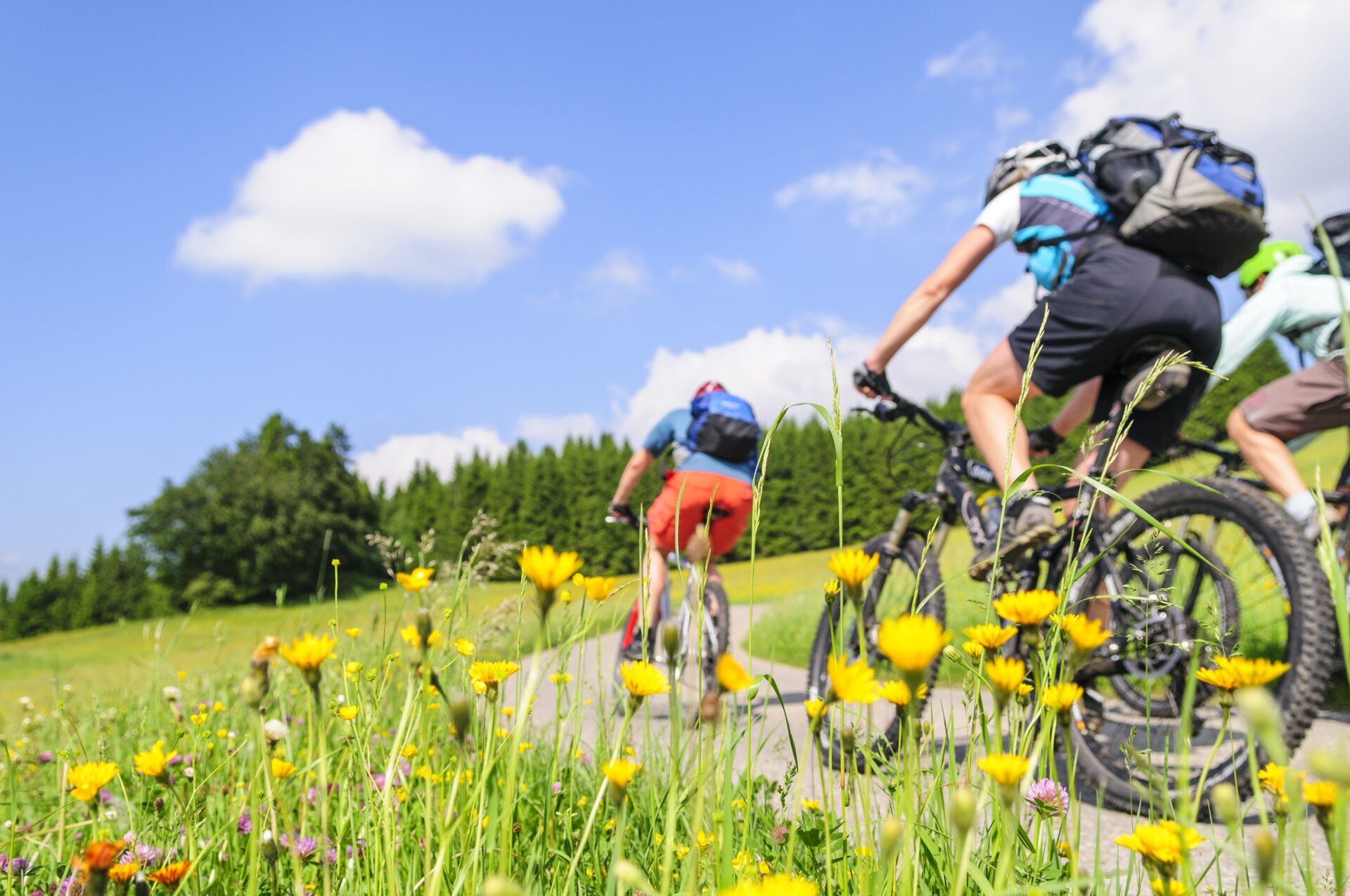
Somewhere between childhood and adulthood, many of us stopped moving for fun. Exercise became structured, scheduled, and tied to productivity instead of enjoyment.
Walks turned into step counts.
Bike rides became cardio sessions.
Recreation became another item on the to-do list.
But movement doesn’t always have to feel like work.
There’s something powerful about rediscovering play as an adult; not because it burns calories or improves performance, but because it reconnects us with joy, creativity, and the simple experience of being present.
Kids understand this naturally. They run because it feels exciting. They climb, jump, dance, chase, and explore without thinking about outcomes. Their movement is driven by curiosity and fun. Adults, on the other hand, often approach activity with rules, goals, and expectations attached.
That mindset can slowly drain the enjoyment out of being active.
Play looks different for everyone. It might mean tossing a frisbee at the park, roller skating with your kids, paddleboarding at the lake, gardening, dancing in the kitchen, hiking with friends, or joining a recreational sports league. It could even be as simple as walking without tracking pace or distance.
The common thread is enjoyment.
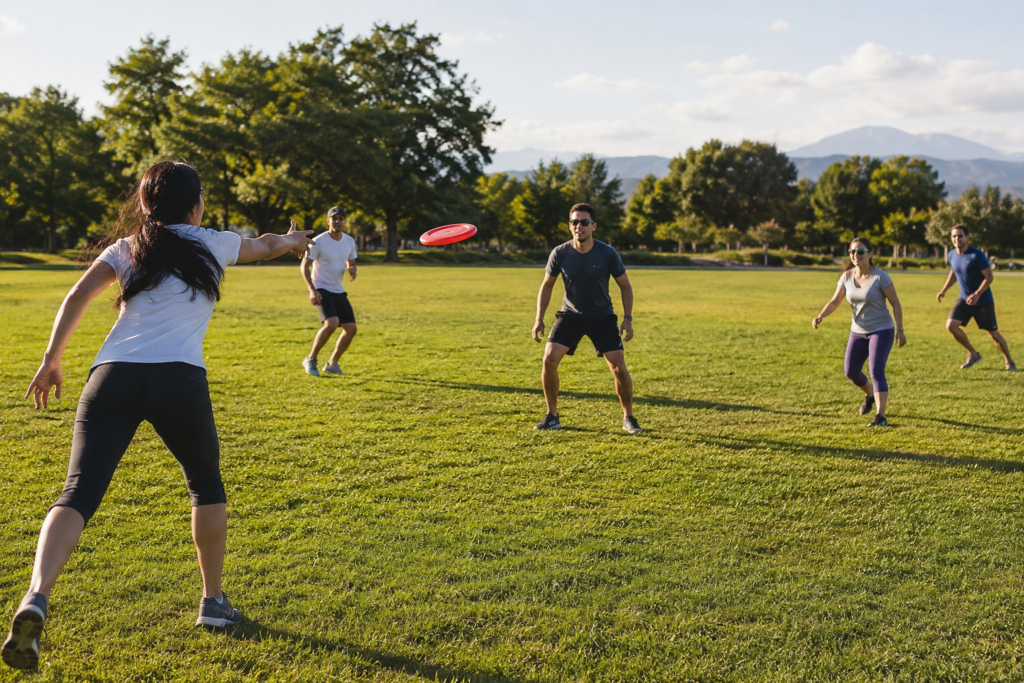
Research continues to show that people are more likely to stay active when movement feels enjoyable and meaningful rather than forced. Activities tied to positive emotions tend to reduce stress, support mental well-being, and improve consistency over time. When movement becomes something you want to do instead of something you have to do, it often becomes easier to make it part of everyday life.
Play can also help relieve the mental fatigue many adults carry. Responsibilities, deadlines, caregiving, and constant digital connection leave little room for spontaneity. Leisure time often becomes passive recovery – scrolling on a phone or watching television – rather than active experiences that genuinely recharge us.
That’s where playful movement can help.
Being outside, trying something new, or engaging in lighthearted activity can create a sense of freedom that many adults haven’t felt in years. It encourages connection, laughter, and presence – things that are easy to lose in busy routines.
Importantly, play doesn’t need to be competitive to be valuable. For some people, competition adds excitement and motivation. For others, it creates stress or pressure that takes away from the experience.
There’s no single “right” way to move. The goal is finding activities that leave you feeling energized instead of depleted.
This also applies to families. Children benefit enormously from seeing adults enjoy movement rather than treating exercise as punishment or obligation. Family walks, backyard games, bike rides, nature scavenger hunts, and impromptu dance parties create positive associations with activity that can last a lifetime.
Adults often believe they need to earn rest, fun, or recreation only after being productive enough. But joy and play aren’t rewards reserved for childhood. They’re important parts of physical and emotional well-being at every age.
Not every activity needs a measurable outcome. Sometimes movement can simply be movement.
So if your routine feels stale or motivation has disappeared, consider stepping away from rigid expectations for a moment. Go outside. Try something playful. Move in a way that feels light, social, creative, or freeing.